
Many people dismiss poor sleep as stress, aging, or a busy lifestyle. But in some cases, restless nights and daytime exhaustion point to something more serious. Sleep apnea is a common yet frequently undiagnosed sleep disorder that can have significant consequences when left untreated. Recognizing early sleep apnea symptoms is essential for protecting both sleep quality and long-term health.
At 8 Hour Sleep Clinic, we often see patients who lived with warning signs for years without realizing their impact. Understanding what to watch for—and when to seek help—can make a life-changing difference.
What Is Sleep Apnea?
Sleep apnea is a condition in which breathing repeatedly stops and starts during sleep. These interruptions reduce oxygen levels and fragment sleep, even if the person has no memory of waking up. The most common form is obstructive sleep apnea, which occurs when the airway becomes partially or fully blocked during sleep.
Because these events happen at night, many people are unaware of the problem until symptoms begin affecting daily life.
The Most Common Warning Signs
Sleep apnea does not look the same in everyone, but there are clear warning signs that should never be ignored. These symptoms often worsen gradually, making them easy to normalize over time.
Common signs include:
- Loud, chronic snoring
- Gasping or choking sounds at night
- Unrefreshing sleep despite adequate time in bed
- Excessive daytime sleepiness
- Morning headaches
- Difficulty concentrating or memory problems
- Irritability or mood changes
One of the most recognizable red flags is loud snoring and sleep apnea, especially when snoring is interrupted by silence or sudden snorts.
Breathing Changes During the Night
A critical but often unseen symptom involves breathing pauses during sleep. These pauses can last several seconds or longer and may occur dozens—or even hundreds—of times per night.
During these episodes:
- Oxygen levels drop
- The brain briefly wakes the body to resume breathing
- Sleep becomes fragmented
- Deep, restorative sleep is reduced
Bed partners are often the first to notice these pauses, which is why their observations can be valuable during evaluation.
Daytime Symptoms That Signal a Problem
Sleep apnea is not only a nighttime issue. Poor-quality sleep affects nearly every system in the body, leading to symptoms that show up during the day.
Daytime warning signs include:
- Persistent fatigue
- Falling asleep unintentionally
- Reduced work performance
- Increased accident risk
- Difficulty managing stress
- Low motivation
If these symptoms persist despite sufficient time in bed, they may indicate an underlying sleep disorder rather than simple sleep deprivation.
Why Ignoring Sleep Apnea Is Dangerous
Many people underestimate the seriousness of sleep apnea, assuming it only affects sleep quality. In reality, the untreated sleep apnea risks extend far beyond feeling tired.
Potential health consequences include:
- High blood pressure
- Heart disease and stroke
- Irregular heart rhythms
- Type 2 diabetes
- Weakened immune function
- Increased risk of workplace and driving accidents
Over time, repeated oxygen deprivation and sleep disruption place significant strain on the cardiovascular and nervous systems.
Who Is at Higher Risk?
Sleep apnea can affect anyone, but certain factors increase risk. Understanding these can help individuals recognize when screening may be necessary.
Higher-risk groups include:
- Adults over 40
- Individuals with excess weight
- People with a family history of sleep apnea
- Those with large neck circumference
- Smokers
- Individuals with nasal congestion or airway abnormalities
However, even people without obvious risk factors can develop sleep apnea, making symptom awareness crucial.
How Sleep Apnea Is Diagnosed
If warning signs are present, a proper sleep apnea diagnosis is essential. Diagnosis cannot be confirmed through symptoms alone or consumer sleep trackers.
At a sleep clinic, evaluation may include:
- A detailed sleep and health history
- Review of symptoms and risk factors
- Physical examination of airway structures
- Overnight sleep testing
Clinical testing measures breathing, oxygen levels, heart rate, and sleep stages to accurately identify the presence and severity of sleep apnea.
Treatment Options That Improve Quality of Life
The good news is that sleep apnea is highly treatable. Effective sleep apnea treatment options are tailored to each patient’s needs, severity, and lifestyle.
Treatment may include:
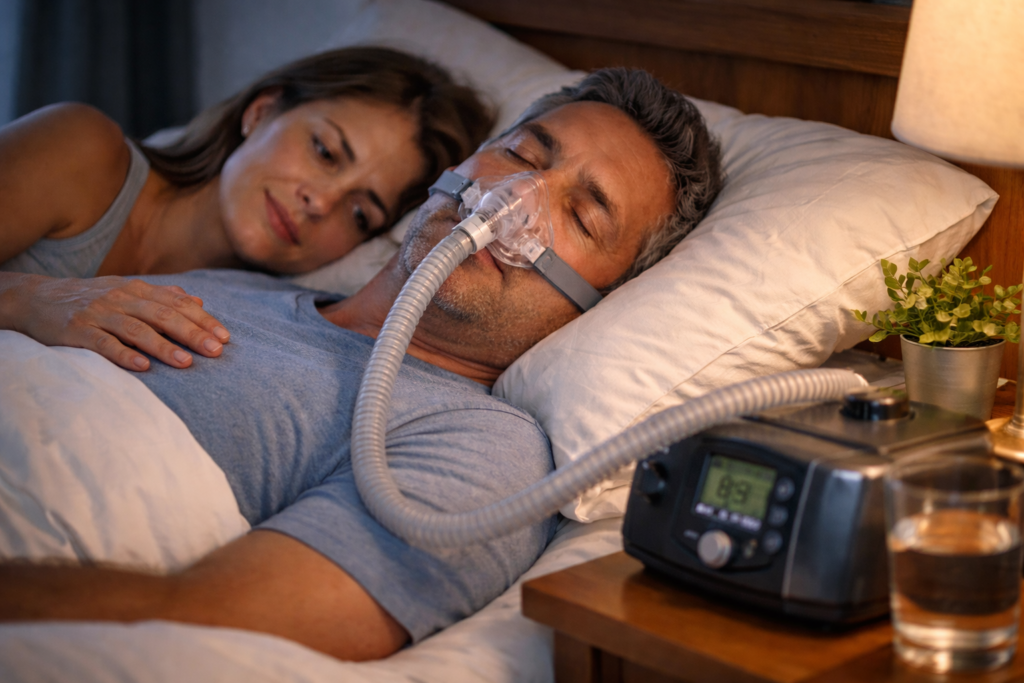
- Continuous positive airway pressure (CPAP) therapy
- Oral appliances to reposition the jaw
- Positional therapy
- Weight management strategies
- Treatment of nasal obstruction
- Lifestyle and sleep habit adjustments
With proper treatment, many patients experience rapid improvements in energy, mood, focus, and overall health.
When to Seek Professional Help
You should consider evaluation at a sleep clinic if:
- Snoring is loud and persistent
- Breathing irregularities are observed during sleep
- Daytime sleepiness interferes with daily life
- You wake up gasping or choking
- You have high blood pressure that is difficult to control
- Morning headaches are frequent
Early evaluation prevents complications and helps restore healthy sleep sooner.
Conclusion
Sleep apnea is more than a sleep issue—it is a serious health condition with wide-reaching effects on daily functioning and long-term well-being. Recognizing warning signs early and seeking professional care can prevent complications, restore restorative sleep, and dramatically improve quality of life. Paying attention to what your body is telling you at night may be one of the most important steps you take toward better health.