
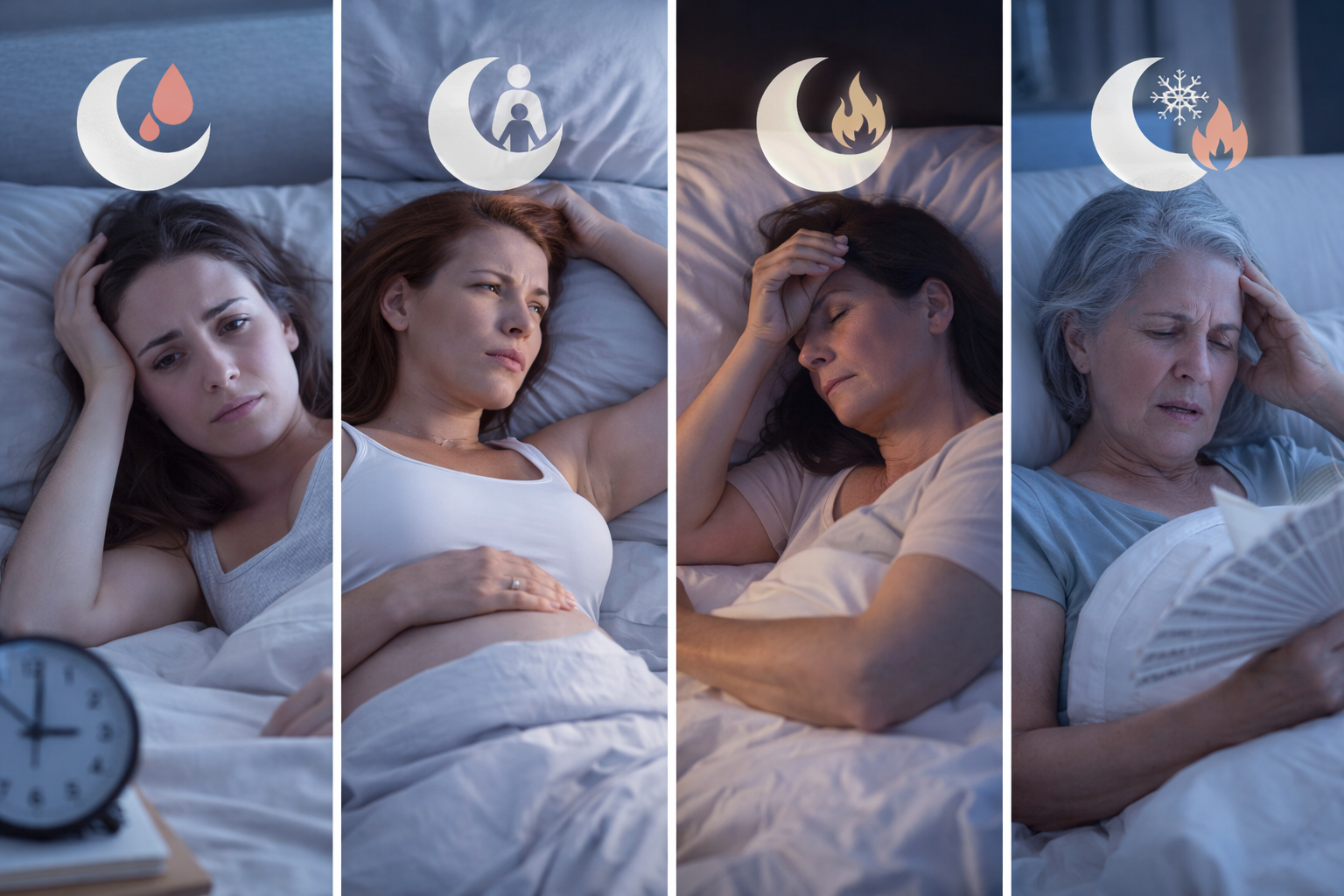
Sleep challenges affect millions of people, but research increasingly shows that women experience sleep difficulties differently—and often more intensely—than men. From adolescence through pregnancy, motherhood, and menopause, hormonal fluctuations play a powerful role in shaping how well women rest at night. Understanding sleep disorders in women requires looking beyond bedtime habits and into the biological rhythms that influence sleep across every stage of life.
At 8 Hours Sleep Clinic, we focus on identifying the unique sleep patterns and disruptions women face, recognizing that hormones, stress, and life transitions are deeply interconnected. When sleep problems are misunderstood or dismissed as “normal,” women may go years without effective treatment—impacting their physical health, emotional well-being, and overall quality of life.
Why Women Experience Sleep Differently Than Men
Women are statistically more likely to report insomnia, nighttime awakenings, non-restorative sleep, and daytime fatigue. These patterns are not coincidental. Female sleep cycles are heavily influenced by hormonal changes that affect body temperature regulation, circadian rhythm, mood stability, and stress response.
Throughout life, shifts in estrogen, progesterone, and cortisol can disrupt the brain’s ability to maintain consistent sleep stages. As a result, women may experience:
- Difficulty falling asleep
- Frequent nighttime awakenings
- Vivid dreams or restless sleep
- Heightened sensitivity to stress
- Daytime exhaustion despite adequate sleep duration
These disruptions often appear gradually, making them easy to normalize—and difficult to diagnose without specialized care.
The Role of Hormones in Sleep Regulation
Hormones act as chemical messengers that influence nearly every sleep-related function, from relaxation to REM cycles. When these signals fluctuate, the brain may struggle to regulate rest effectively, leading to hormonal sleep issues that change over time.
Key hormones affecting sleep include:
- Estrogen, which supports deep sleep and emotional regulation
- Progesterone, which has calming and sedative properties
- Cortisol, the stress hormone that influences alertness
- Melatonin, which governs circadian rhythm
When these hormones fall out of balance, sleep becomes lighter, more fragmented, and less restorative.
Sleep Challenges During the Menstrual Cycle
Even before major life transitions, monthly hormonal shifts can affect sleep quality. During certain phases of the menstrual cycle, changes in estrogen and progesterone may increase body temperature, intensify mood fluctuations, and reduce the ability to stay asleep.
Common experiences include:
- Difficulty falling asleep before menstruation
- Nighttime awakenings linked to discomfort or anxiety
- More vivid or disturbing dreams
- Increased sensitivity to noise or light
For some women, these disruptions are mild. For others, they contribute to long-term sleep instability if left unaddressed.
Sleep During Pregnancy: A Unique and Demanding Phase
Sleep during pregnancy is often challenging, especially as the body undergoes rapid physical and hormonal transformation. While early pregnancy may bring increased sleepiness, later stages are marked by frequent disruptions.
Contributing factors include:
- Hormonal surges that alter circadian rhythm
- Physical discomfort as the body changes
- Increased nighttime urination
- Acid reflux or breathing changes
- Anxiety about health or childbirth
- Difficulty finding a comfortable sleep position
Sleep deprivation during pregnancy doesn’t just affect energy levels—it can impact mood regulation, immune health, and postpartum recovery.
Postpartum Sleep and Emotional Health
After childbirth, sleep patterns are often severely disrupted. Hormonal shifts occur rapidly, and combined with caregiving demands, they can place women at higher risk for sleep-related mood disorders.
Lack of restorative sleep during this phase may contribute to:
- Heightened anxiety
- Depressive symptoms
- Reduced emotional resilience
- Slower physical recovery
- Cognitive fog or memory issues
Addressing sleep early in the postpartum period can significantly improve emotional well-being and long-term health outcomes.
Menopause and Its Impact on Sleep
One of the most significant sleep transitions occurs later in life, when declining estrogen levels begin to affect sleep structure. Menopause and sleep problems often emerge gradually but intensify over time.
Common sleep complaints during this stage include:
- Difficulty staying asleep
- Night sweats or hot flashes
- Increased nighttime anxiety
- Early morning awakenings
- Reduced deep sleep
- Daytime fatigue
As estrogen levels decline, the brain becomes more sensitive to stress and environmental disruptions, making uninterrupted sleep harder to achieve.
Estrogen’s Influence on Sleep Quality
The connection between estrogen and sleep quality is well documented. Estrogen supports neurotransmitters that promote relaxation and emotional stability while also helping regulate body temperature and circadian rhythm.
When estrogen levels drop or fluctuate:
- REM sleep may become fragmented
- Nighttime awakenings increase
- Stress responses intensify
- Mood-related sleep disruptions become more common
This explains why many women experience worsening sleep during perimenopause and menopause—even if they’ve never struggled with sleep before.
Sleep Disorders That Affect Women More Frequently
Hormonal shifts don’t just cause poor sleep—they can increase vulnerability to diagnosable sleep conditions. Many women experience symptoms that align with broader women’s sleep health concerns, including:
- Chronic insomnia
- Restless legs syndrome
- Sleep apnea (often underdiagnosed in women)
- Circadian rhythm disturbances
- Stress-related sleep fragmentation
Women may present differently than men, reporting fatigue, headaches, or mood changes rather than classic symptoms like loud snoring—leading to delayed diagnosis.
Why Sleep Disorders in Women Are Often Overlooked
Cultural expectations and caregiving roles often lead women to minimize their symptoms or prioritize others’ needs over their own rest. Sleep disruption may be normalized as part of aging, motherhood, or stress, rather than recognized as a treatable medical issue.
This delay in care can result in:
- Long-term fatigue
- Increased risk of anxiety or depression
- Cardiovascular and metabolic strain
- Hormonal imbalance worsening over time
- Reduced quality of life
Specialized sleep evaluation is essential to identify the true cause and develop an effective treatment plan.
How a Sleep Clinic Supports Women at Every Stage of Life
A comprehensive sleep clinic approach considers hormonal history, life stage, stress levels, and physical health. Evaluations may include:
- Detailed sleep and medical history
- Hormonal and lifestyle assessment
- Sleep studies when appropriate
- Personalized treatment strategies
- Behavioral and cognitive sleep therapies
- Long-term monitoring and support
By addressing sleep holistically, women can regain restorative rest and improve overall health at any age.
Conclusion
Sleep challenges in women are deeply connected to hormonal rhythms, life transitions, and emotional demands. Understanding how these factors influence rest allows women to seek timely, effective care rather than accepting exhaustion as inevitable. With personalized evaluation and support, restorative sleep is achievable at every stage of life—empowering women to feel healthier, stronger, and more balanced day and night.
