
Sleep should restore the mind and body, but for many people, the night brings silent breathing struggles that go unnoticed for years. These subtle disruptions often mimic symptoms of sleep apnea, yet patients may be told their sleep tests look “normal.” The truth is that many individuals experience a different type of sleep-related breathing issue—one that is much harder to detect but just as impactful. This condition is part of the conversation around UARS vs sleep apnea, and understanding the distinction is essential for proper diagnosis and treatment.
At 8 Hours Sleep Clinic, we specialize in identifying overlooked sleep disorders that traditional testing may miss. One of the most common conditions we see—especially among seemingly healthy, younger, or thinner patients—is Upper Airway Resistance Syndrome. Recognizing the problem early can transform not just your sleep but your daily energy, mood, and long-term health.
Understanding the Basics: What Is UARS?
To answer the question what is UARS, it’s important to understand how breathing works during sleep. In a typical night, airway muscles relax as the body shifts into deeper rest. But in some individuals, the airway narrows more than it should, making breathing harder—not enough to cause full obstructions, but enough to interrupt sleep repeatedly.
Unlike obstructive sleep apnea, which involves complete pauses in breathing, Upper Airway Resistance Syndrome causes increased resistance in the airway. The person continues breathing, but it takes more effort, causing frequent micro-arousals that pull the sleeper out of restorative stages.
This means UARS may not show the classic apnea “events.” Instead, it shows subtle disruptions that require a trained eye and specialized testing to identify.
Why Airway Resistance Happens During Sleep
Upper airway resistance syndrome often develops due to structural, muscular, or neurological factors. Some people naturally have a narrow airway, while others may develop resistance due to lifestyle or health changes.
Common contributors include:
- Small or recessed jaw structure
- Crowded teeth affecting airway space
- Allergies or chronic nasal congestion
- Weak tongue or throat muscles
- Stress-related nighttime tension
- Poor sleeping posture
- Anatomical variations in the throat or nasal cavity
Because many of these factors affect airflow rather than fully blocking it, UARS frequently escapes detection in standard sleep tests.
Key Indicators: What Do Patients with UARS Feel?
Recognizing UARS symptoms can be life-changing, especially for individuals who have been seeking answers for fatigue, headaches, or insomnia with no clear explanation. Some of the most common signs of this condition include:
- Frequent nighttime awakenings without obvious cause
- Chronic fatigue even after long hours of sleep
- Morning headaches
- Dry mouth upon waking
- Snoring (often mild but persistent)
- Difficulty concentrating during the day
- Feeling unrested despite “normal” sleep test results
- Sensitivity to stress or poor stress recovery
- Symptoms resembling insomnia or anxiety
These disruptions occur because micro-arousals repeatedly pull the sleeper out of deep and REM sleep, leaving the body stuck in a light, stressed state all night.
The Difference Between UARS and Sleep Apnea
Understanding UARS vs sleep apnea is essential because the two conditions often get confused. While both conditions affect airflow, the key difference lies in the severity and type of breathing interruption.
Sleep Apnea:
- Involves full or partial airway collapses
- Causes loud snoring, choking, or gasping
- Shows clear breathing stoppages on sleep studies
- Often linked to higher BMI or older age
- Carries significant cardiovascular risks
UARS:
- Involves airflow resistance rather than collapse
- Causes subtle breathing difficulties
- Shows little or no apnea events on sleep tests
- Common in younger, thinner, or athletic individuals
- Leads to chronic fatigue due to micro-arousals
Patients with UARS often move, twitch, or toss through the night without knowing why. They may not snore loudly, and sleep partners often miss the signs.
Why UARS Is Considered a Breathing Sleep Disorder
This condition falls under the category of breathing sleep disorders, which includes conditions that affect airflow and oxygen levels during rest. UARS, however, is unique in that oxygen levels often remain normal. Instead, the problem lies in the body’s effort to maintain airflow.
Over time, this effort strains the brain and nervous system, keeping the body in a state of hyperarousal. This “always-on” stress response contributes to poor sleep quality and a wide range of daytime symptoms that feel mysterious until properly evaluated.
If left untreated, UARS can evolve into obstructive sleep apnea or contribute to long-term hormonal, cardiovascular, and metabolic challenges.
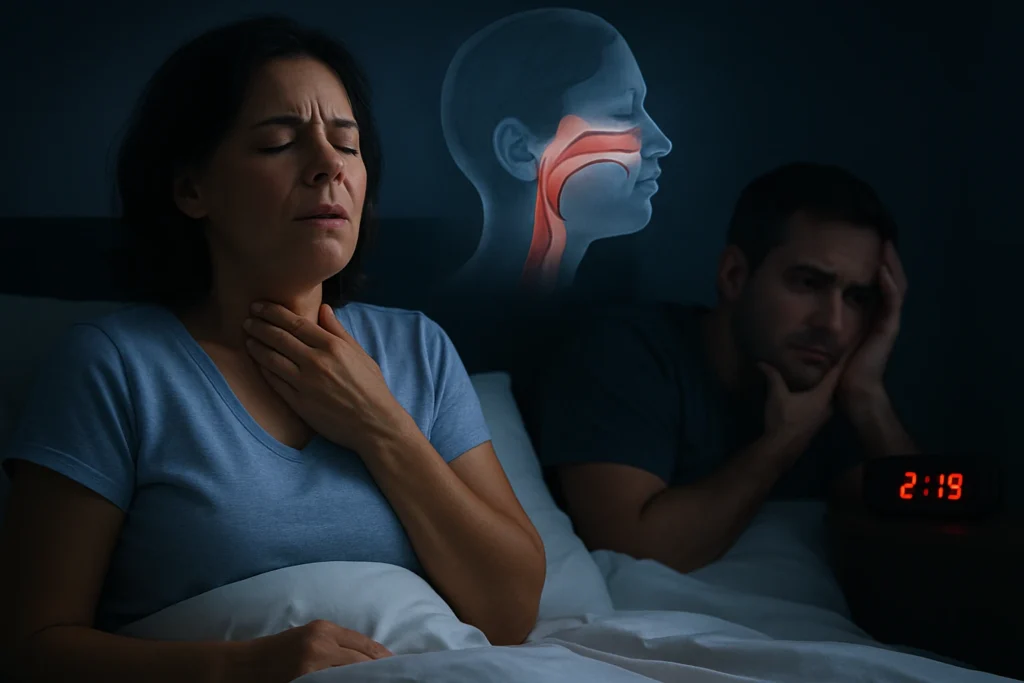
How Patients Experience Nighttime Symptoms
One of the most confusing aspects of UARS is that patients rarely realize they’re struggling to breathe. Unlike those with obstructive apnea, individuals with this condition don’t usually wake up gasping. Instead, nighttime breathing becomes a subtle but constant challenge.
Examples of what may occur during the night include:
- Frequent tossing and turning
- Restless legs or body movement
- Increased heart rate spikes
- Mild snoring or light breathing noises
- Awakening from dreams due to breathing effort
- Unexplained awakenings throughout the night
- Light sleep dominated by shallow breathing
These symptoms are usually discovered only after a patient seeks help for chronic exhaustion or unexplained daytime struggles.
Why Standard Sleep Tests May Miss UARS
Traditional sleep studies primarily look for apnea events that include airflow stoppage. Since UARS involves resistance—not full obstruction—tests can appear normal unless the specialist specifically looks for flow limitation, respiratory effort spikes, and micro-arousals.
A comprehensive evaluation may include:
- Detailed sleep questionnaires
- Examination of nasal passages, throat, and airway structure
- Respiratory effort measurements
- Heart-rate variability indicators
- Data on arousal frequency
- Analysis of nighttime airflow patterns
Clinicians trained in subtle breathing issues recognize the patterns that differentiate UARS from other conditions.
Treatment Options for UARS
Fortunately, with proper evaluation, UARS is treatable. Addressing the problem early can dramatically improve sleep quality and reduce daytime fatigue.
Treatment options may include:
- CPAP or APAP therapy (lower pressure than apnea treatment)
- Oral appliances that reposition the jaw
- Myofunctional therapy to strengthen airway muscles
- Nasal breathing optimization (including allergy treatment)
- Sleeping position adjustments
- Stress reduction techniques
- Weight-neutral approaches that focus on airway mechanics
The most successful treatment plans address both structure and function, ensuring the airway remains stable through all sleep stages.
Conclusion
Upper Airway Resistance Syndrome is one of the most overlooked breathing-related sleep conditions, yet it has a profound impact on daily functioning and long-term health. By understanding the signs, recognizing subtle nighttime symptoms, and seeking specialized evaluation, patients can finally uncover the root cause of their chronic fatigue and restorative sleep struggles. A tailored treatment plan that stabilizes nighttime airflow can completely transform a patient’s quality of life—bringing back true rest, energy, and peace.
